.
In this regard, does joint compound contain asbestos?
Joint compound is a substance similar to plaster, and it is used to seal seams between sheets of drywall. Prior to the late 1970s, both forms of joint compound could have contained asbestos. In 1977, the Consumer Product Safety Commission banned the use of asbestos in joint compound.
Likewise, is plaster a surfacing material? "Surfacing material" means material that is sprayed, troweled-on or otherwise applied to surfaces (such as acoustical plaster on ceilings and fireproofing materials on structural members, or other materials on surfaces for acoustical, fireproofing, and other purposes).
Also Know, is joint compound friable?
Joint compound – joint compound is type of plaster used to seal drywall in place. It is easily spread, but older applications have a tendency to degrade. If the joint compound contains friable asbestos, then the minuscule fibers will be released where they will be inhaled and sicken those with extended exposure.
How common is asbestos in joint compound?
In joint compound the asbestos content varied but typically was between 3-6%. Even if the gypsum board itself did not contain asbestos this means that by weight the asbestos content of the wall system was about 0.25%.
Related Question AnswersWhat does asbestos joint compound look like?
Asbestos in Joint Compounds. Joint compound is a plaster-like substance, typically white in color, used to seal the joints made between two sheets of drywall. Common joint compound uses: Conceal dimples made from the drilling of screws.Is joint compound dangerous?
The Safety Data Sheet for USG's standard joint compound does not call out any especially serious risks although the material is classified as a "Hazardous Chemical" as defined by the OSHA Hazard Communication Standard, 29 CFR 1910.1200. The ingredients of joint compound are listed as follows: Limestone >35%What is joint compound made of?
The compound is a complex combination often including water, limestone, expanded perlite, ethylene-vinyl acetate polymer, attapulgite, and other ingredients. The delicate mixture of compounds gives it a creamy texture that spreads easily onto drywall surfaces and then hardens as the moisture evaporates.What year did they stop putting asbestos in Sheetrock?
Whether there is asbestos in your home's drywall or not, most sheetrock mud (also known as wall-joint compound) which was sold between 1940 and 1980 did contain asbestos fiber. This product came in two forms and was used to fuse the seams between drywall panels once they were installed.Does Hanging Pictures release asbestos?
------- Disturbing Asbestos Materials Avoid touching or disturbing asbestos materials on walls, ceilings, pipes or boilers. Do not pin or hang pictures on walls covered with asbestos materials. Do not sand asbestos floor tiles or backing material. ------- Asbestos fibers can be released when the material Is disturbed.When did Asbestos stop being used?
Houses built between 1930 and 1950 may have asbestos as insulation. Asbestos may be present in textured paint and in patching compounds used on wall and ceiling joints. Their use was banned in 1977.When did they stop using plaster walls?
Lath and plaster largely fell out of favour in the U.K. after the introduction of plasterboard in the 1930s. In Canada and the United States it remained in use until drywall began to replace the process in the 1950s.What should I do if I was exposed to asbestos?
Most people do not develop serious or life-threatening lung disease as a result of exposure to asbestos. You should always seek medical advice if you have symptoms like coughing, feeling short of breath or chest pain. Talk to your GP about: any past or present jobs with an asbestos risk.How common is asbestos in drywall?
There are six legally recognized types of asbestos, the most common being chrysotile (aka “white asbestos”). Made popular as a key ingredient in drywall, white asbestos accounts for 95 percent of worldwide asbestos use..When was asbestos banned in the US?
In 1973, under the EPA's Clean Air Act, most spray-applied asbestos products were banned for fireproofing and insulating purposes. And in 1989, the EPA issued the Asbestos Ban and Phase Out Rule, which hoped to impose a full ban on the manufacturing, importation, processing and sale of asbestos-containing products.How do you check for asbestos?
A visual inspection of your home is usually not sufficient to determine if it contains asbestos. Instead, samples of suspected asbestos fibers should be sent to a certified laboratory for analysis. Polarized Light Microscopy (PLM) and Transmission Electron Microscopy (TEM) are two approved methods of analysis.Does Wall Texture have asbestos?
Friable Asbestos in Texture Coatings These “friable” fibers can easily become airborne and risk being inhaled by nearby workers. Those at the greatest health risk from asbestos in textured coatings are workers remodeling or demolishing older buildings.What does asbestos look like?
In most commercial forms, asbestos looks like attic insulation -- a ball of thick fuzz. The individual asbestos fibers that are released into the air are microscopic.Is drywall considered friable?
Drywall joint compound also contained asbestos until the early 1980's. The concentration is quite low (near or less than 5%; always Chrysotile). The product in place is quite hard and is normally treated as non-friable.Are ceiling tiles friable?
Asbestos-containing ceiling tiles, floor tiles, undamaged laboratory cabinet tops, shingles, fire doors, siding shingles, etc. are not highly friable and will not typically release asbestos fibers unless they are disturbed or damaged in some way.What is friable asbestos?
Friable asbestos is the term used for any asbestos containing material that can be crushed, crumbled, pulverized or turned to powder with the ordinary force of a human hand. Friable is a word used to describe anything that easily crumbles, so the term in and of itself tells you what to expect with friable asbestos.Which body organ is damaged most by asbestos?
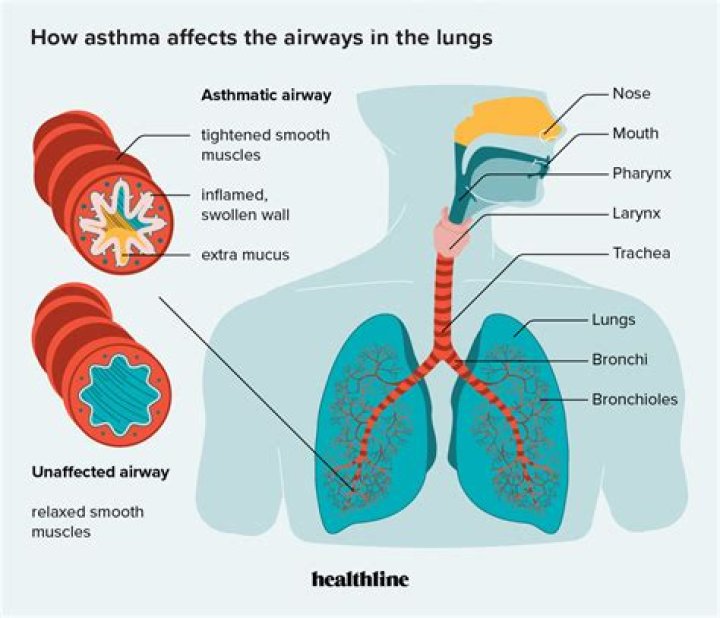
What Asbestos Can Do To Your Body- Lungs. The most common way for asbestos to enter the human body is by inhalation. The lungs take the biggest hit.
- Asbestosis. Asbestosis is a severe scarring of the lungs.
- Mesothelioma. Mesothelioma is a rare form of cancer that attacks the protective membrane around your lungs, abdominal organs, and heart.