.
Thereof, what can cause diarrhea in breastfed babies?
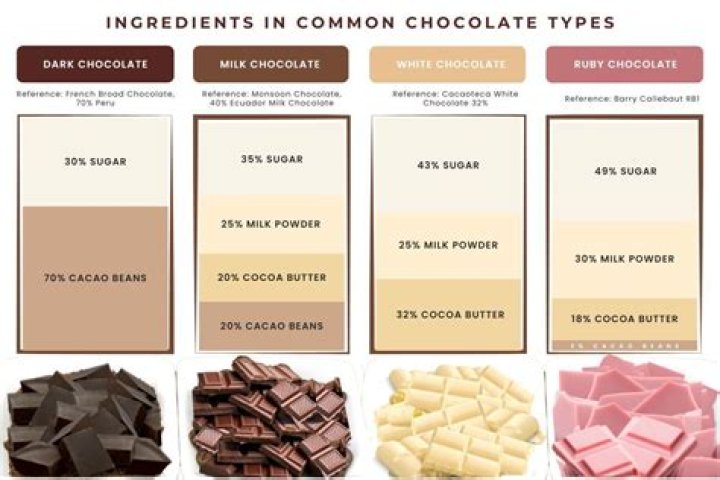
Breastfeeding. Along with the general causes above, breastfed babies can develop diarrhea from: A Mother's Diet: Some foods in your diet can cause allergies and sensitivities in your breastfed baby. Cow's milk, chocolate, gassy foods, spicy foods, and caffeine are the foods most likely to trigger a problem.
Additionally, what should Mother eat when baby has diarrhea? Good choices are: any cereal, strained bananas, mashed potatoes, and other high-fiber foods. Remember that something in the mother's diet may cause a breast-fed baby to have more frequent or looser stools—for example, coffee, cola, or herbal teas.
Subsequently, question is, is it normal for a newborn to have watery poop?
If your newborn baby is having infrequent bowel movements, it could be a sign that your baby isn't getting enough to eat. Diarrhea is when the newborn baby passes very runny, watery stools, sometimes at an increased frequency or more volume than normal.
Can I pass diarrhea to my baby through breastfeeding?
It's Okay to Breastfeed if You're Sick Common illnesses such as cold or diarrhea can't be passed to the baby through breast milk. If the mother is sick, antibodies can be passed to the baby to protect the baby from getting the same illness as the mother.
Related Question AnswersCan Formula cause diarrhea in newborn?
A: Probably not. Anytime you add new foods to a baby's diet, her poops will change a bit. The loose stools may not be diarrhea at all, but just her body's way of adjusting to the formula. Diarrhea is not only diagnosed by the consistency of a baby's poop, but by how often she has a dirty diaper.How can you tell if a newborn has diarrhea?
When to Call the Doctor You should call your pediatrician if your infant has: Signs of dehydration (a sunken fontanel, few wet diapers, dry eyes when crying, dry mouth, sunken eyes or lethargy) Mucus or foul odor in three or more diarrhea stools (for infants one month of age or younger) Blood in the stool.How can you tell diarrhea in breastfed baby?
The bowel movements of most breastfed babies tend to be very loose, yellow, and seedy. Although they may resemble what we would consider diarrhea, this is actually totally normal. The best way to diagnose diarrhea is to look at the frequency of your baby's poops, not just the texture.Does breastfeeding affect mothers bowel movements?
your milk is a mild laxative. I started noticing this on day one of breastfeeding. Yes, tiny babies who are breast-fed usually poop immediately after -- or while -- they're eating. While this laxative effect makes constipation a non-issue, it also means it's best to wait until after mealtime to change the diaper.How long should diarrhea last in babies?
How long will it last? Diarrhea caused by a viral infection usually lasts several days to 2 weeks, regardless of the type of treatment. The main goal of treatment is to prevent dehydration. Your child needs to drink enough fluids to replace the fluids lost in the diarrhea.How do you know when a baby is dehydrated?
Here are some signs of dehydration to watch out for:- Sleepiness.
- Irritability.
- Thirst.
- Less elasticity in the skin.
- Eyes and fontanel (or soft spot on head) appear sunken.
- Decrease or absence of tears.
- Dry mouth.
- Decrease number of wet diapers.
What should I avoid eating while breastfeeding?
Foods to Avoid While Breastfeeding- Fish. Fish are a great source of protein and omega-3 fatty acids and are okay to eat in moderation during breastfeeding.
- Coffee and Tea.
- Alcohol.
- Chocolate.
- Parsley, Peppermint and Sage.
- Garlic.
- “Gassy” Foods.
- Medicines to Avoid While Breastfeeding.
What foods can a breastfeeding mom eat to help baby poop?
Constipation while breastfeeding remedies Add more fiber to their diet if your baby's started solid foods, Switch from rice cereal to barley, which has more fiber. When you start introducing fruits and vegetables, try high-fiber ones like pureed prunes and peas.How do I know if my 3 week old has diarrhea?
Diarrhea in Formula-Fed Infants: How to Tell The stools are yellow in color and thick like peanut butter. Suspect diarrhea if the stools suddenly increase in number or looseness. If it lasts for 3 or more stools, the baby has diarrhea. If the stools contain mucus, blood, or smells bad, this points to diarrhea.Can too much formula cause diarrhea?
If healthy babies are not hungry at several feedings, increase the feeding interval. The most amount of formula advised per day is 32 ounces (1 liter). Over-feeding can cause vomiting, diarrhea or too much weight gain.How many poopy diapers should a newborn have?
How often should a newborn poop? Early on, breastfed babies usually have — on average — one poopy diaper for every day of life. In other words, on day 1 of her life, she'll poop once, and on day 2 she'll poop twice.How much poop is too much for a newborn?
After about 6 months of age, more than four BMs a day are too many, and less than one a week for a breastfed infant or less than one a day for children over age 2 is too few. That's because we want poop to move through gradually and steadily.What are the seeds in baby poop?
Their stools may also be seedier. These little “seeds” are undigested milk fat, which is entirely normal. Formula-fed babies' stools are usually a little firmer, often the consistency of peanut butter. Extremely loose, watery stools may indicate that the baby is not absorbing nutrients as well as they should.Why is my baby's poop yellow and watery?
It's normal to see bright-yellow poop in breastfed (and sometimes formula-fed) babies. Bright-yellow poop that's much more frequent than usual and extremely runny, though, could be diarrhea. Diarrhea can increase the risk for dehydration.How often should a newborn poop?
Expect at least 3 bowel movements per day, but may be up to 4-12 for some babies. After this, baby may only poop every few days. Baby will usually pass more stool after starting solids. Newborn will pass meconium by 24-48 hours after birth.What color poop is bad for babies?
The poop of newborns is almost black, while older infants tend to have yellow or brown poop. Breastfeeding and formula-feeding can also influence the color of a baby's stools. Red or white poop can indicate a health problem.What gets rid of baby diarrhea?
Mild Diarrhea:- Most kids with diarrhea can eat a normal diet.
- Drink more fluids to prevent dehydration. Formula, breastmilk and/or regular milk are good choices for diarrhea.
- Do not use fruit juices or sports drinks.
- Solid foods: Eat more starchy foods (such as cereal, crackers, rice, pasta).